The Midnight Muse: What Happens When the World Goes Dark?


It’s a bit of an odd question, isn’t it? Usually, when someone asks what you’re thinking about, they’re looking for something practical: “Am I out of milk?” or “Did I remember to pay the electric bill?”
But for those of us who live in the margins of the day—the writers, the night-shift workers, the restless souls—the question runs much deeper. It’s the quiet engine that keeps the mind turning long after the sun has tucked itself away.
During the day, life is a loud, chaotic tumble of distractions. Emails to answer. Chores to tackle. The constant hum of expectation. But when the cloak of night descends, it becomes a different world entirely. The silence isn’t just an absence of noise—it’s a canvas.
The Writer’s Midnight Caravan
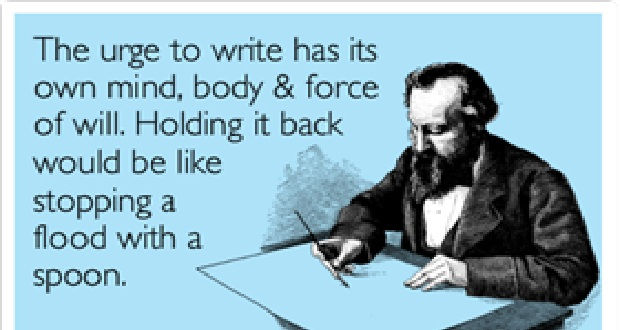
For a writer, the night is when the internal monologue gets loud.
During the day, my characters are polite. They linger in the shadows of my subconscious, sipping imaginary tea and behaving themselves. But as soon as the house goes quiet—and the blue glow of my laptop is the only thing tethering me to reality—they start getting rowdy.
They push their way to the front, demanding to be heard.
Why did she leave the door unlocked? What happens if the hero doesn’t actually want to be saved?
At night, the internal censor clocks out. The self-doubt that clouds my writing during daylight fades, replaced by a surge of creative clarity. Worlds unfold. Universes stitch themselves together from fragments of thought. Lives begin in the glow of a blinking cursor.
It’s a magical, slightly manic space—where the impossible briefly feels inevitable.
The Security Officer’s Film Noir
Now let’s turn to the other side of my midnight coin. What is it like to be a security officer during these same hours?
From a quiet, dimly lit booth, the world becomes a grid of monochrome CCTV screens—an echo of the day, stripped of colour and noise.
There is something inherently cinematic about it. A shadow stretching across an empty car park. The slow, rhythmic cycling of camera feeds. It all lends a quiet film noir quality to the ordinary.
Yes, it can be lonely. But it is also deeply observational. Here, the world exists in its rawest form—free from the performance of daylight.
An Intoxicating Mix
When these two perspectives meet—the storyteller and the observer—the night becomes an intoxicating blend of reality and imagination.
Most people dream while they sleep. Their minds wander through strange, fleeting landscapes, forgotten by morning. But for us—the night walkers—we don’t need sleep to find the surreal. We live in it.
We shape it.
Whether I’m drafting a moment where a character faces their greatest fear or watching a flickering screen in the quiet hours, I am engaged in the same act: observation.
Searching for the story beneath the surface.
Finding the extraordinary in the ordinary.
Writer. Security officer. Insomniac. Separate roles, yet somehow the same path. While the rest of the world sleeps, we keep watch over its hidden depths.
Why the Night Wins
So, what do I think about at night?
I think about the things that don’t dare show themselves in daylight. The what ifs. The quiet beauty of a world that has stopped performing.
There is a strange comfort in knowing that while most of the world powers down, a hidden, nocturnal society comes alive. We are the ones who don’t fear the dark.
We depend on it.
So if you ever find yourself awake at 3:00 a.m., staring at the ceiling or pacing the floor, don’t fight it. Lean into the stillness. Listen.
There are stories waiting there. Or at the very least, the quiet hum of a world moving in its sleep.
You’re not just awake—you’re in good company.
And who knows? By sunrise, you might have created something worth remembering.


Comments